BEGIN:VCALENDAR
VERSION:2.0
PRODID:-//jEvents 2.0 for Joomla//EN
CALSCALE:GREGORIAN
METHOD:PUBLISH
BEGIN:VTIMEZONE
TZID:Australia/Sydney
BEGIN:STANDARD
DTSTART:20180401T020000
RDATE:20181007T030000
TZOFFSETFROM:+1100
TZOFFSETTO:+1000
TZNAME:Australia/Sydney AEST
END:STANDARD
BEGIN:STANDARD
DTSTART:20190407T020000
RDATE:20191006T030000
TZOFFSETFROM:+1100
TZOFFSETTO:+1000
TZNAME:Australia/Sydney AEST
END:STANDARD
BEGIN:STANDARD
DTSTART:20200405T020000
RDATE:20201004T030000
TZOFFSETFROM:+1100
TZOFFSETTO:+1000
TZNAME:Australia/Sydney AEST
END:STANDARD
BEGIN:STANDARD
DTSTART:20210404T020000
RDATE:20211003T030000
TZOFFSETFROM:+1100
TZOFFSETTO:+1000
TZNAME:Australia/Sydney AEST
END:STANDARD
BEGIN:STANDARD
DTSTART:20220403T020000
RDATE:20221002T030000
TZOFFSETFROM:+1100
TZOFFSETTO:+1000
TZNAME:Australia/Sydney AEST
END:STANDARD
BEGIN:STANDARD
DTSTART:20230402T020000
RDATE:20231001T030000
TZOFFSETFROM:+1100
TZOFFSETTO:+1000
TZNAME:Australia/Sydney AEST
END:STANDARD
BEGIN:STANDARD
DTSTART:20240407T020000
RDATE:20241006T030000
TZOFFSETFROM:+1100
TZOFFSETTO:+1000
TZNAME:Australia/Sydney AEST
END:STANDARD
BEGIN:STANDARD
DTSTART:20250406T020000
RDATE:20251005T030000
TZOFFSETFROM:+1100
TZOFFSETTO:+1000
TZNAME:Australia/Sydney AEST
END:STANDARD
BEGIN:STANDARD
DTSTART:20260405T020000
RDATE:20261004T030000
TZOFFSETFROM:+1100
TZOFFSETTO:+1000
TZNAME:Australia/Sydney AEST
END:STANDARD
BEGIN:STANDARD
DTSTART:20270404T020000
RDATE:20271003T030000
TZOFFSETFROM:+1100
TZOFFSETTO:+1000
TZNAME:Australia/Sydney AEST
END:STANDARD
BEGIN:STANDARD
DTSTART:20280402T020000
RDATE:20281001T030000
TZOFFSETFROM:+1100
TZOFFSETTO:+1000
TZNAME:Australia/Sydney AEST
END:STANDARD
BEGIN:DAYLIGHT
DTSTART:20171003T203000
RDATE:20180401T020000
TZOFFSETFROM:+1000
TZOFFSETTO:+1100
TZNAME:Australia/Sydney AEDT
END:DAYLIGHT
BEGIN:DAYLIGHT
DTSTART:20181007T030000
RDATE:20190407T020000
TZOFFSETFROM:+1000
TZOFFSETTO:+1100
TZNAME:Australia/Sydney AEDT
END:DAYLIGHT
BEGIN:DAYLIGHT
DTSTART:20191006T030000
RDATE:20200405T020000
TZOFFSETFROM:+1000
TZOFFSETTO:+1100
TZNAME:Australia/Sydney AEDT
END:DAYLIGHT
BEGIN:DAYLIGHT
DTSTART:20201004T030000
RDATE:20210404T020000
TZOFFSETFROM:+1000
TZOFFSETTO:+1100
TZNAME:Australia/Sydney AEDT
END:DAYLIGHT
BEGIN:DAYLIGHT
DTSTART:20211003T030000
RDATE:20220403T020000
TZOFFSETFROM:+1000
TZOFFSETTO:+1100
TZNAME:Australia/Sydney AEDT
END:DAYLIGHT
BEGIN:DAYLIGHT
DTSTART:20221002T030000
RDATE:20230402T020000
TZOFFSETFROM:+1000
TZOFFSETTO:+1100
TZNAME:Australia/Sydney AEDT
END:DAYLIGHT
BEGIN:DAYLIGHT
DTSTART:20231001T030000
RDATE:20240407T020000
TZOFFSETFROM:+1000
TZOFFSETTO:+1100
TZNAME:Australia/Sydney AEDT
END:DAYLIGHT
BEGIN:DAYLIGHT
DTSTART:20241006T030000
RDATE:20250406T020000
TZOFFSETFROM:+1000
TZOFFSETTO:+1100
TZNAME:Australia/Sydney AEDT
END:DAYLIGHT
BEGIN:DAYLIGHT
DTSTART:20251005T030000
RDATE:20260405T020000
TZOFFSETFROM:+1000
TZOFFSETTO:+1100
TZNAME:Australia/Sydney AEDT
END:DAYLIGHT
BEGIN:DAYLIGHT
DTSTART:20261004T030000
RDATE:20270404T020000
TZOFFSETFROM:+1000
TZOFFSETTO:+1100
TZNAME:Australia/Sydney AEDT
END:DAYLIGHT
BEGIN:DAYLIGHT
DTSTART:20271003T030000
RDATE:20280402T020000
TZOFFSETFROM:+1000
TZOFFSETTO:+1100
TZNAME:Australia/Sydney AEDT
END:DAYLIGHT
BEGIN:DAYLIGHT
DTSTART:20281001T030000
RDATE:20290401T020000
TZOFFSETFROM:+1000
TZOFFSETTO:+1100
TZNAME:Australia/Sydney AEDT
END:DAYLIGHT
END:VTIMEZONE
BEGIN:VEVENT
UID:bb014e0c8a84c82797fc74f7aee8132f
CATEGORIES:Guest Speaker Night
CREATED:20180218T162632
SUMMARY:Guest Speaker - Dr Jesse van de Sande (SIfA, University of Sydney)
DESCRIPTION:What do galaxies and shadow puppets have in common?
Galaxies com
e in all shapes and sizes. It is hard not to be impressed by the majestic v
ariety in galaxy morphology that the Universe has to offer. Besides creatin
g just pretty images, galaxy shape and morphology also provide important cl
ues on how galaxies formed and evolved. Large computer simulations suggest
that collisions between galaxies alter their appearance. The more interacti
ons a galaxy experiences, the rounder it becomes. However, galaxies are so
far away that we can only observe them as two-dimensional projections on th
e celestial sphere. Figuring out the true shape of galaxies is a bit like s
hadow puppetry without instructions; ever tried twisting your arms and fing
ers to create the image of an African Unladen Swallow? So, how do astronome
rs derive the true three-dimensional shape of galaxies? In this talk I will
explain how Australian Astronomers have invented an instrument that can do
exactly that. These tools now allow us to figure out how galaxies like our
Milky Way have formed and evolve.
Dr Jesse van de Sande

Jesse van de Sande is a
Research Fellow at the Sydney Institute for Astronomy at the Universi
ty of Sydney studying how galaxies form and evolve. He tries to solve the b
ig questions such as ‘How was the Milky Way Galaxy formed?’ and
‘What will happen to our Milky Way after it collides with the Androm
eda Galaxy?’ Jesse uses the Anglo Australian Telescope with an instru
ment called SAMI to study the motions of stars within galaxies. For his PhD
thesis, he used the Hubble Space Telescope and the Very Large Telescopes i
n Chilli to investigate the formation and evolution of massive galaxies in
the early Universe.
X-ALT-DESC;FMTTYPE=text/html:What do galaxies and shadow puppets have in common?
Galaxies com
e in all shapes and sizes. It is hard not to be impressed by the majestic v
ariety in galaxy morphology that the Universe has to offer. Besides creatin
g just pretty images, galaxy shape and morphology also provide important cl
ues on how galaxies formed and evolved. Large computer simulations suggest
that collisions between galaxies alter their appearance. The more interacti
ons a galaxy experiences, the rounder it becomes. However, galaxies are so
far away that we can only observe them as two-dimensional projections on th
e celestial sphere. Figuring out the true shape of galaxies is a bit like s
hadow puppetry without instructions; ever tried twisting your arms and fing
ers to create the image of an African Unladen Swallow? So, how do astronome
rs derive the true three-dimensional shape of galaxies? In this talk I will
explain how Australian Astronomers have invented an instrument that can do
exactly that. These tools now allow us to figure out how galaxies like our
Milky Way have formed and evolve.
Dr Jesse van de Sande
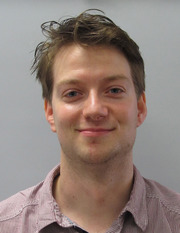
Jesse van de Sande is a Research Fellow at the Sydney Institute for A
stronomy at the University of Sydney studying how galaxies form and evolve.
He tries to solve the big questions such as ‘How was the Milky Way G
alaxy formed?’ and ‘What will happen to our Milky Way after it
collides with the Andromeda Galaxy?’ Jesse uses the Anglo Australian
Telescope with an instrument called SAMI to study the motions of stars with
in galaxies. For his PhD thesis, he used the Hubble Space Telescope and the
Very Large Telescopes in Chilli to investigate the formation and evolution
of massive galaxies in the early Universe.
DTSTAMP:20261005T184702
DTSTART;TZID=Australia/Sydney:20181004T193000
DTEND;TZID=Australia/Sydney:20181004T213000
SEQUENCE:0
TRANSP:OPAQUE
END:VEVENT
END:VCALENDAR